
PASSIVE
DETERRENTS
PASSIVE DETERRENTS FOR DOLPHINS
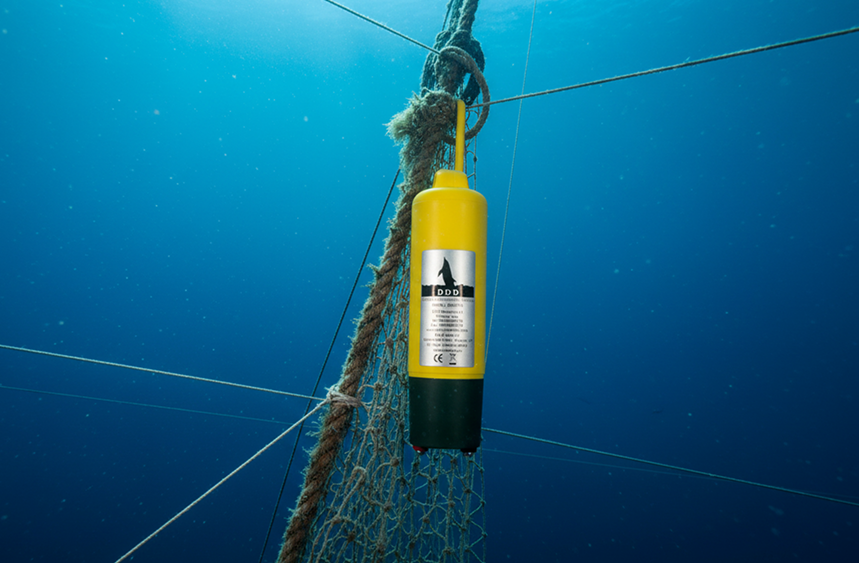
Ultrasound emission activates automatically on water contact, creating a continuous sound barrier that keeps dolphins away from fishing gear and reduces the risk of accidental catches. STM Products passive deterrents (DDD 04X series) are designed for operations requiring constant protection along nets, longlines and aquaculture installations with no manual input needed from the operator.
TECHNOLOGY THAT NEVER SWITCHES OFF
STM passive deterrents are always-on pingers: whenever they are in water, they emit high-intensity randomised ultrasound designed to interfere with dolphins’ echolocation system and prompt them to move away from nets without causing harm. Microprocessor electronics manage automatic power-on, low-battery alerts and signal modulation, ensuring reliable performance even under demanding working conditions.
BYCATCH REDUCTION
Reduces accidental dolphin catches along nets and longlines, contributing to more sustainable fishing practices.
Automatic operation
Self-activating on water contact: no configuration or manual input required.
Randomised ultrasound
Ultrasonic signals from 5 to 500 kHz with randomised parameters to limit the risk of dolphin habituation.
Extended coverage
Designed to protect long stretches of net through modular installation at a constant spacing of at least 500 m between devices.
DURABILITY AND RELIABILITY
Internal NiMH batteries rechargeable for up to 1,000 cycles, built for professional use at sea.
TWO LINES FOR EVERY OPERATIONAL CONTEXT
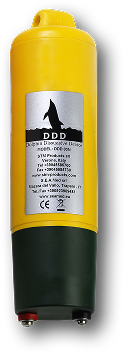
YELLOW LINE
(low and standard activation frequency)
Designed for stable environments and large areas where long-term, continuous protection of dolphins and structures is the priority.
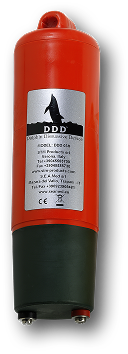
ORANGE LINE
(high and ultra-high activation frequency)
Built for mobile and high-intensity fishing, where interactions with dolphins are frequent and gear is in constant movement.
HOW TO CHOOSE THE RIGHT DETERRENT?
The most suitable model depends on:
- the type of fishing gear and operating environment
- frequency of cetacean interactions
- required autonomy and recharging availability
- the need to minimise acoustic pollution
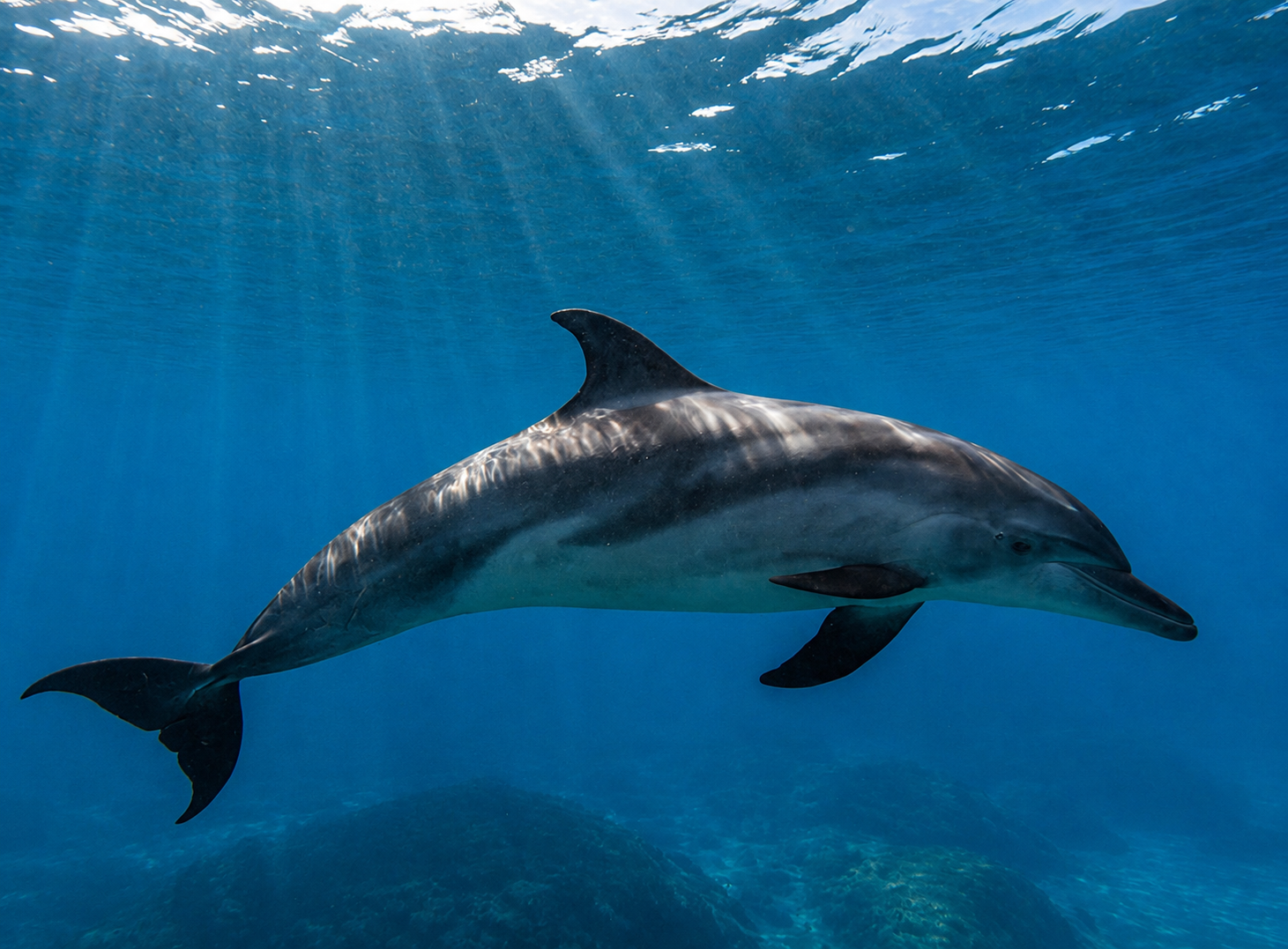
Not sure which solution is right for you? We’ll help you configure the ideal system for your operation.
DISCOVER THE BUSINESS UNITS OF STM PRODUCTS
CONTROL FOR FOOD
Modular and custom electronic controllers for the food sector, including bakery and pastry, designed to maximize efficiency, performance, and waste reduction.
CONTROL FOR NO FOOD
Cutting-edge, custom electronic controllers for sectors such as security and automotive, ensuring reliability, precision, and adaptability to various industrial needs.
WATER FOR BAKERY & FOOD
Water dosers, mixers, and chillers for the bakery sector that combine top technologies with maximum user-friendliness – perfect for both artisan and industrial needs.
FISHING TECHNOLOGY
Innovative, effective, and sustainable dolphin deterrents designed to protect fishing activities and preserve the marine environment.